

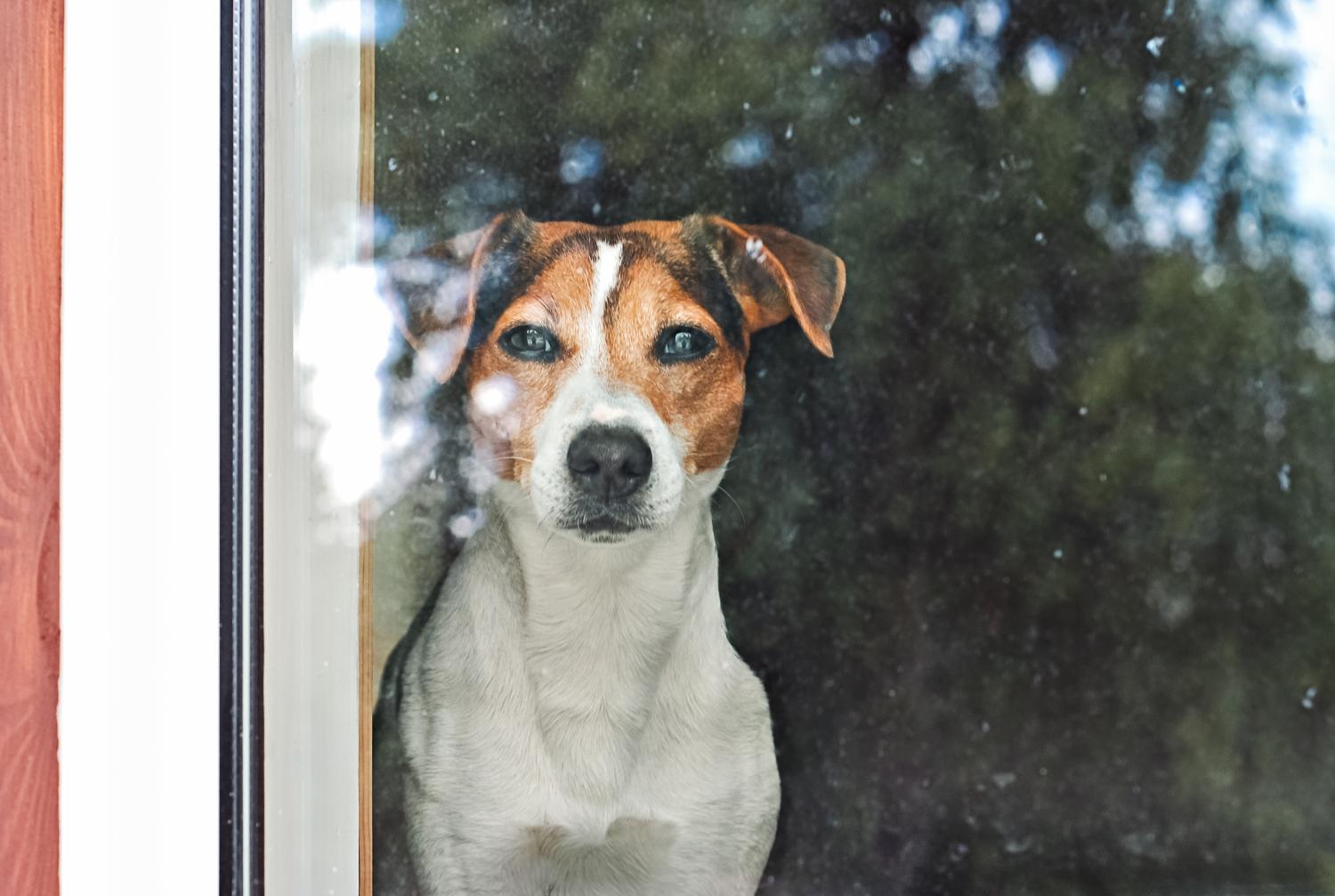
Wildfire season has become an unfortunate reality for many Southern California pet owners, and smoky conditions can affect more than just visibility outdoors. Like humans, pets can experience irritation and respiratory distress when air quality declines. At Sky Canyon Animal Hospital, we want pet owners to understand the risks wildfire smoke can pose to cats and dogs, how to recognize warning signs, and when it’s time to seek veterinary care.
Whether you’re dealing with mild haze or heavy smoke conditions, taking steps to protect your pet’s eyes, throat, and lungs can make a meaningful difference in their comfort and health.
Why Wildfire Smoke Can Be Dangerous for Pets
Wildfire smoke contains tiny particles, gases, and other irritants that can inflame your pet’s airways and eyes. Pets with existing respiratory conditions, senior pets, young animals, and flat-faced breeds may be especially vulnerable.
When wildfire smoke lingers, it can pose a risk to pet safety in Murietta—even in otherwise healthy animals. Smoke exposure may lead to:
- Eye irritation
- Sore throat or coughing
- Difficulty breathing
- Fatigue or weakness
- Worsening of underlying respiratory conditions
Because animals cannot tell you when they feel uncomfortable, it’s important to pay close attention to subtle changes in behavior and breathing.
Signs of Smoke Inhalation in Cats & Dogs
The signs of smoke inhalation in dogs and cats can range from mild irritation to serious respiratory distress. Some symptoms may appear gradually after repeated exposure to smoky air.
Watch for the following warning signs:
- Red, watery, or squinting eyes
- Frequent coughing
- Sneezing more than usual
- Wheezing or noisy breathing
- Gagging or throat irritation
- Nasal discharge
- Open-mouth breathing in cats
- Low energy or reluctance to exercise
- Loss of appetite
- Bluish or pale gums
If your pet shows severe breathing difficulty, collapses, or seems disoriented, seek veterinary attention immediately. Respiratory emergencies can worsen quickly during wildfire events.
Even mild symptoms deserve attention if they persist. Early treatment may help prevent complications and support better pet respiratory health in California during wildfire season.
How To Protect Your Pet During Smoky Conditions
The good news is that a few practical adjustments can help reduce your pet’s exposure to smoke at home.
When wildfire smoke moves into the area, try to:
- Keep pets indoors as much as possible
- Limit walks, vigorous play, and outdoor exercise
- Keep windows and doors closed
- Use air conditioning or an air purifier if available
- Wipe your pet’s eyes and paws gently after brief trips outside
- Make sure fresh water is always available
Cats may hide discomfort differently than dogs, so monitor them closely even if they seem calm or quiet.
It’s also important to avoid exposing pets to additional irritants, such as cigarette smoke, fireplaces, candles, or strong cleaning chemicals, when air quality is poor. Reducing overall irritation can help support healing and comfort.
Learn how to prepare your pet for California wildfire season in this blog post.
When To Schedule a Veterinary Appointment
Sometimes symptoms that seem minor at first can become more serious after ongoing smoke exposure. Pets with asthma, collapsing trachea, heart disease, or other chronic conditions may need extra monitoring during wildfire season.
If you notice persistent coughing, breathing changes, eye irritation, or unusual lethargy, it’s best to have your pet evaluated sooner rather than later. Our staff can assess your pet’s symptoms and recommend supportive care to help keep them comfortable. Call us at (951) 461-4100 to book an appointment today.