

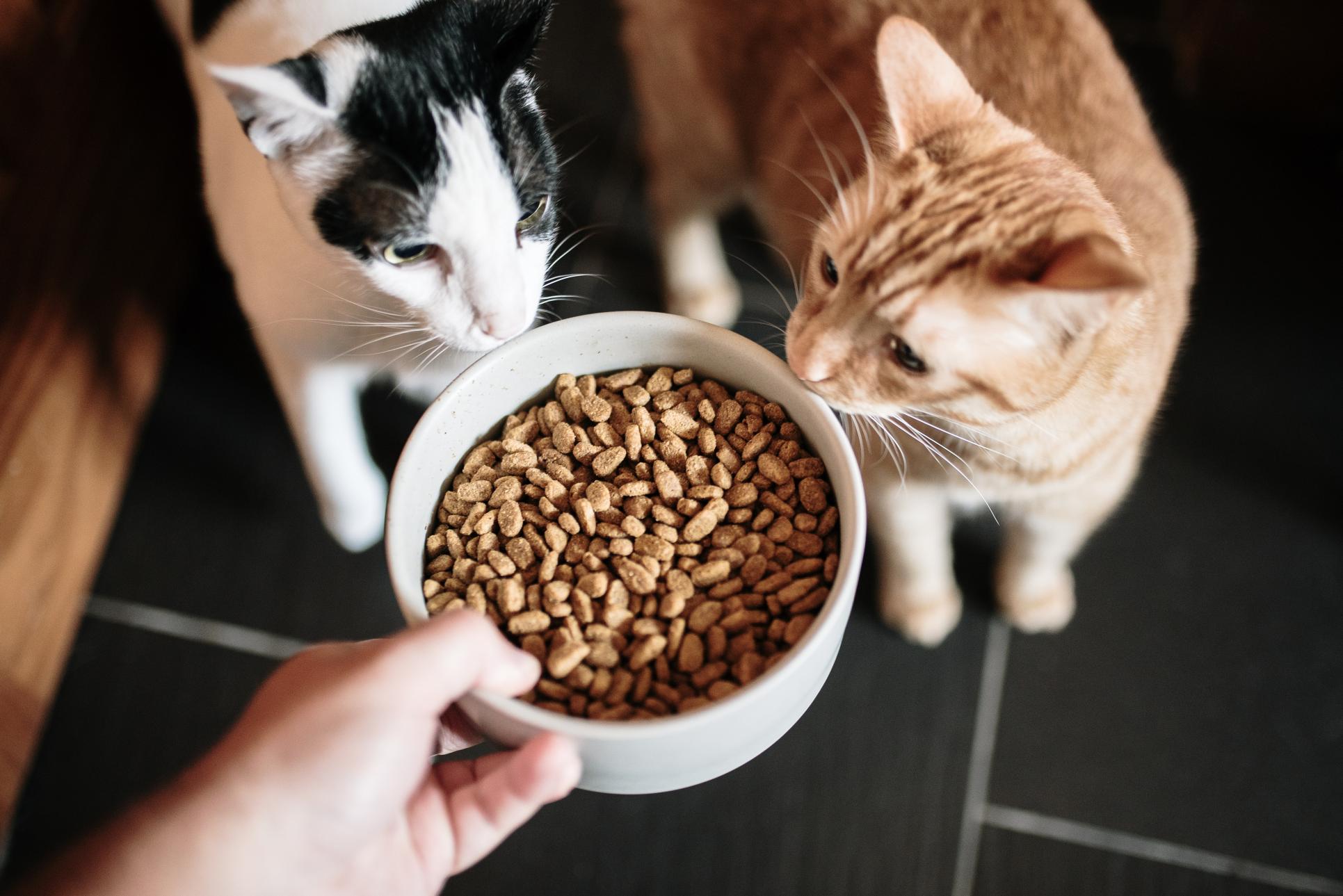
Food can sometimes be the culprit behind a pet’s persistent itching or digestive troubles, but figuring out exactly what’s causing the problem isn’t always simple. A food sensitivity and a true food allergy can cause similar signs, and other health conditions can look much the same.
At Sky Canyon Animal Hospital in Murrieta, our veterinarians and staff can help determine what’s behind your pet’s symptoms, and whether a carefully managed diet change may be part of the solution.
Food Sensitivity vs. Food Allergy: What’s the Difference?
Although the terms are sometimes used interchangeably, food allergies and food sensitivities aren’t quite the same. A true food allergy involves an immune system response to an ingredient in the diet, most often a protein. A food sensitivity or intolerance doesn’t involve the immune system but can still cause uncomfortable symptoms.
Food-related problems can show up in several ways, including:
- Persistent itching or scratching
- Recurrent skin or ear problems
- Vomiting
- Diarrhea or loose stools
- Excessive gas
- Frequent bowel movements
Because these symptoms can have many possible causes, changing your pet’s food on your own may not provide the answers you’re looking for. A veterinary exam can help rule out parasites, infections, and other medical problems before focusing on diet.
How Are Food Allergies and Sensitivities Identified?
When a food-related problem is suspected, an elimination diet trial is generally the most useful way to identify it. Instead of simply switching to a different commercial food, your veterinarian will recommend a specific diet designed to remove ingredients your pet has previously eaten.
Depending on your pet’s history and needs, this may involve a diet containing a novel protein source, or a veterinary-grade hydrolyzed protein diet. During the trial, your pet needs to eat only the recommended food for the prescribed period. Treats, table scraps, flavored medications, chews, and other foods can introduce ingredients that interfere with the results.
That means a dog food sensitivity elimination diet takes some commitment, but following it carefully gives your veterinarian much more useful information about whether food is contributing to your dog’s symptoms.
What Happens After an Elimination Diet?
Improvement during the diet trial can point toward a food allergy or sensitivity, but it’s only part of the process. Your veterinarian may recommend reintroducing the previous food or individual ingredients to see whether symptoms return. This step can help confirm that food was responsible and, in some cases, identify the specific ingredient causing the problem.
Once you know what your pet tolerates well, your veterinarian can help you choose an appropriate long-term diet. For some dogs, that may mean a prescription diet. Others may eventually do well with a carefully selected sensitive stomach dog food that avoids the ingredients known to cause problems.
Should You Try a New Food Before Seeing Your Veterinarian?
It can be tempting to start experimenting with different foods when your pet is uncomfortable. However, repeatedly switching diets can make it harder to determine which ingredients your pet has eaten and which may be causing symptoms.
If you think your pet needs an allergy diet, it’s best to start with an evaluation by your Murrieta veterinarian. They can consider your pet’s symptoms, medical history, and current diet before recommending the most appropriate next step.
Get Help Finding the Right Diet for Your Pet
If you’re concerned that food may be contributing to your dog or cat’s symptoms, Sky Canyon Animal Hospital can help you investigate the cause, and develop a plan tailored to your pet.
Call (951) 461-4100 to book an appointment and find out whether an elimination diet or another approach may help your pet feel better.